What is clipping? How it works and how rewards are earned
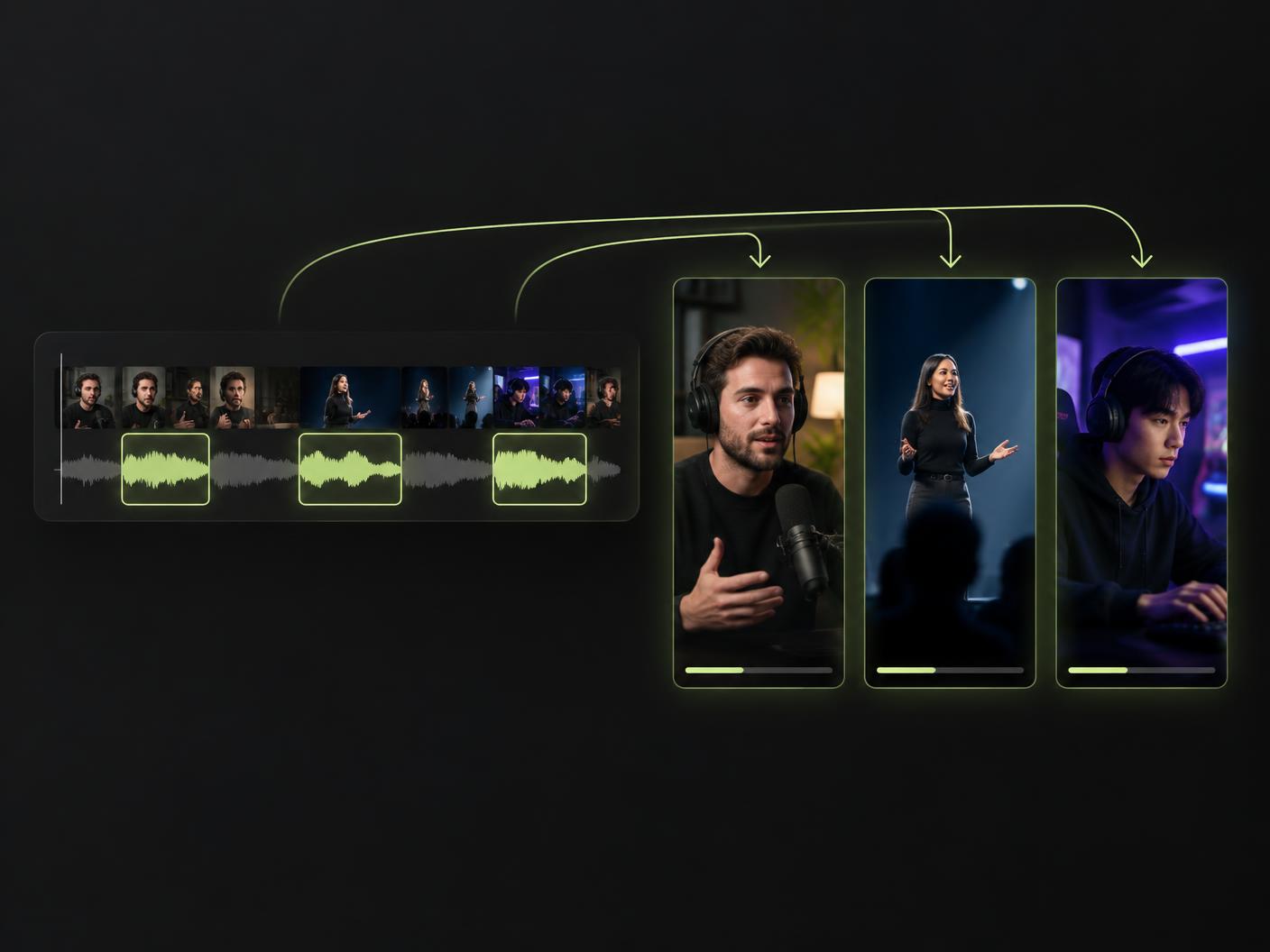
Clipping means selecting strong moments from a longer video and turning them into self-contained short clips. In paid campaigns, creators make clips for a brand or content owner and receive rewards for approved, qualified views. CLIP Marketplace connects both sides.
What does clipping mean?
A podcast joke, a clear interview quote or a product moment can become a standalone clip. Select the segment, preserve enough context, frame it for mobile and add captions where useful. Repurposing your own content and clipping for a paid campaign are different arrangements: campaign work requires permission and a brief.
What does a clipper do?
A clipper selects moments, edits content and publishes on an eligible account. Follower count is not itself the basis for qualified-view rewards, but campaigns can set participation requirements. Read the brief for audience, language, platform, duration and rights before starting.
From campaign to reviewed submission
Read the rate, minimum views, budget and any limits. Use authorised sources or make original content where allowed. Publish on an accepted platform and submit the link to the right campaign. Clip approval and view verification are separate steps. Publishing alone does not guarantee payment.
How much can you earn?
Each campaign sets its rate. Illustrative example, not a promise: at €1 per 1,000 qualified views, 100,000 views mathematically equals €100. Approval, verification, the minimum threshold, remaining budget and any applicable limits still apply. CLIP has no separate per-clip maximum, but a campaign may cap each creator across all their clips. Earnings are not guaranteed.
What are qualified views?
Not every platform view automatically counts. Campaign terms define eligible platforms, posts, periods and views. Self-reported or company-reported figures are evidence for checking, not automatically payable totals. Check verification status and approved rewards in your Marketplace account.
Clipping for TikTok, Reels and Shorts
TikTok, Instagram Reels and YouTube Shorts are short-video formats often suited to vertical content. CLIP campaigns list the platforms they accept. Other platforms do not automatically qualify. Use a clear opening, one idea per clip, legible captions and focused editing. None of these techniques guarantees virality.
Working with a clipping tool
Tools can help with selection, framing, captions and export. Review every suggestion: an automatically chosen fragment may lose context or contain caption errors. Check the result on a phone before posting. Paid CLIP editing actions retain their own price confirmation.
Copyright and permission
Use your own material or content with the necessary permission. Public availability is not a reuse licence. Campaign sources may be authorised for reuse or provided only as inspiration. Check music, people, logos and commercial disclosure requirements too; clarify uncertain rights before publishing.
For brands: performance-based distribution
Brands provide material and a brief, set rewards and review submissions. Qualified-view compensation differs from paying only for a promised post. It does not remove all risk: budgets, moderation, rights and measurement still matter. Platform fees and payment terms are separate from creator rewards and shown in the campaign flow.
FAQ
Can beginners start?
Practise selecting and captioning your own material. Participation depends on campaign rules; a new account guarantees neither admission nor income.
Do clips earn forever?
No. Campaign dates, verification, budgets and limits determine eligibility. Views after a campaign ends do not automatically earn rewards.
Can I clip any podcast?
No. Permission and appropriate usage rights are required even for publicly available podcasts.
Is CLIP proven to be the best?
We have no independently verified ranking supporting that claim. Compare concrete terms against your own goals.